
A Massachusetts jury could not reach a unanimous decision in a closely watched case that raised difficult questions about mental health, criminal responsibility, and the meaning of a mistrial.
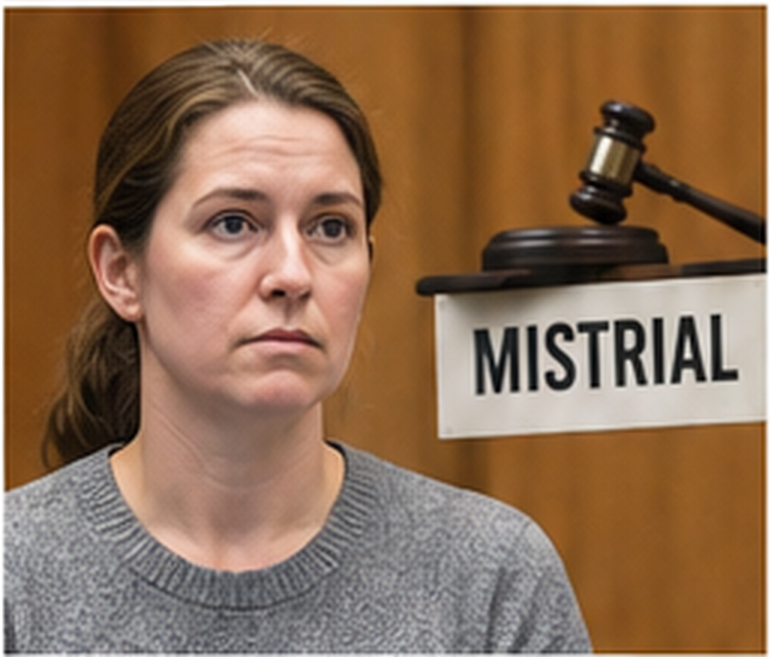
AI-generated illustrative image
A closely watched case reaches no verdict
A judge in Massachusetts declared a mistrial on September 4 after jurors said they could not agree on a verdict in the murder trial of Lindsay Clancy. The case has received major national attention because it involves the deaths of her three young children and a serious debate about mental health. Clancy did not deny causing the deaths. Her defense argued that she was suffering from postpartum psychosis at the time. Prosecutors argued that she understood her actions and should be held criminally responsible. After several days of discussion, the jury remained divided, so the judge ended the trial without a final verdict.
What a mistrial means
A mistrial does not mean that a person has been found guilty or not guilty. It means the trial ended before the jury could reach a legal decision. In this case, the judge decided that the jury was deadlocked. A deadlocked jury is a jury that cannot agree, even after a long period of discussion. When that happens, the court can stop the case and declare a mistrial. The criminal charges do not automatically disappear. Prosecutors can decide to hold another trial with a new jury. They may also consider other legal choices, including a possible agreement with the defense, depending on the law and the decisions of the district attorney.
Why the mental-health issue matters
The trial became especially difficult because the defense focused on postpartum psychosis. This is a rare and serious mental-health condition that can happen after childbirth. It can cause a person to lose contact with reality, experience false beliefs, hear or see things that are not there, or become extremely confused. The defense said this condition affected Clancy’s ability to understand her actions. Prosecutors presented a different view and argued that the evidence showed planning and awareness. The jury therefore had to consider both the facts of the deaths and complicated medical information. This made the case very different from a simple question about whether an action happened.
Why the story spread across social media
The mistrial quickly became a major topic online. Many people searched for the meaning of the word “mistrial,” while others discussed postpartum mental health, the criminal justice system, and the role of expert medical testimony. Social media also created strong emotional reactions. Some people focused on the children and the seriousness of their deaths. Others focused on the possibility that a severe mental illness changed Clancy’s understanding of reality. Because the case is painful and complex, online discussions often became emotional. This is also a reminder that social-media posts may simplify legal issues that are actually very detailed.
What happens next
The case is not finished. After a mistrial, prosecutors must decide whether they want to try the case again. If they do, a new jury would be selected and much of the evidence could be presented again. The defense would also have another chance to present its mental-health argument. A new trial could take time to organize. The court has scheduled further proceedings, and both sides will continue to make legal decisions. The exact next step may depend on motions from the lawyers, decisions by the district attorney, and rulings from the court. Until there is another trial or another legal resolution, there is still no final verdict.
A wider public conversation
The case has also increased attention on maternal mental health. Medical experts have long said that severe mental-health problems after childbirth need fast professional care. Postpartum depression is more common than postpartum psychosis, but both can be serious. People should not use one criminal case to make simple judgments about every mother who has a mental-health problem. At the same time, the legal system must consider safety, evidence, responsibility, and the rights of everyone involved. That combination makes cases involving serious mental illness especially difficult for judges and juries.
What readers should remember
For readers following the story, the most important point is that the mistrial is not the same as an acquittal. It is also not a guilty verdict. The jury did not reach a unanimous decision. The legal process can continue. The case will remain important because it sits at the meeting point of criminal law, medical science, and public understanding of mental health. It is also a deeply tragic story involving three children, so responsible reporting should avoid turning the case into entertainment. Future news should focus on verified court decisions rather than rumors or emotional claims shared online.
Word count: 715 • Sources checked: Reuters; AP reporting carried by major U.S. outlets; The Guardian
Prepared for TodayTop10.com. Facts reflect reporting available on September 5, 2026; fast-moving stories may develop further.
SOCIAL MEDIA / TECHNOLOGY • STORY 2 OF 10