The latest military exchange raises fears about shipping, energy supplies, and a wider Middle East conflict.
At a glance: The latest military exchange raises fears about shipping, energy supplies, and a wider Middle East conflict.
What happened
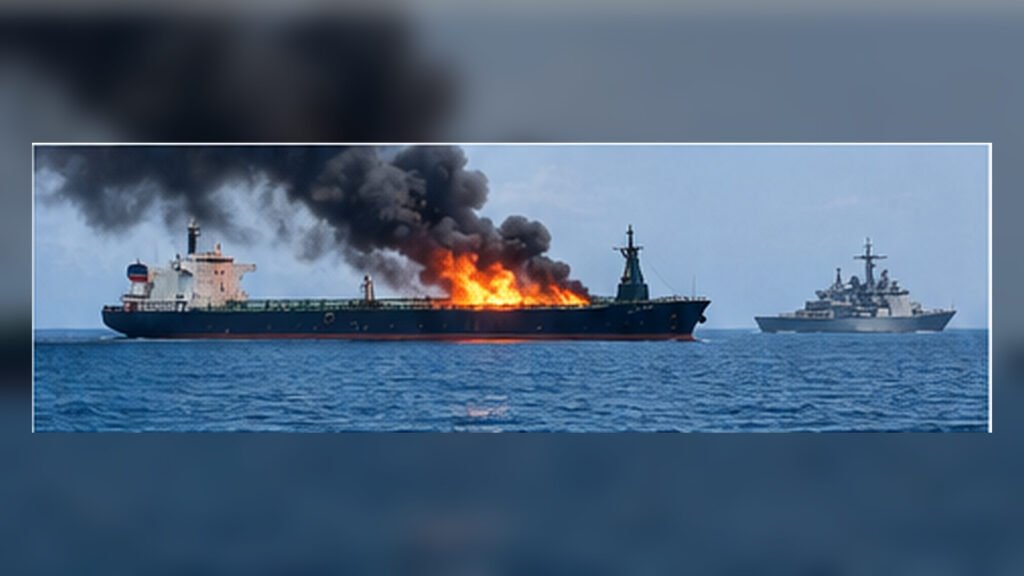
The conflict between the United States and Iran became more serious this weekend after the U.S. military said it struck three Iranian oil tankers. American officials said the action came after U.S. Navy warships were targeted with ballistic missiles while operating in the region. According to the U.S. military, no American personnel were hurt in the Iranian attacks. The United States said two of the Iranian oil carriers were permanently disabled and a third empty tanker was destroyed after its crew was told to leave the ship.
The U.S. described the tankers as part of a network that helps provide money to Iran's Revolutionary Guard and armed groups connected to Tehran. Iran strongly rejected the U.S. action and called the attacks illegal. Iranian state media later reported that Iran had targeted oil tankers and American vessels in response, although some of those claims were not immediately independently confirmed.
The strikes happened near important parts of the Persian Gulf and Gulf of Oman. One tanker was hit near Kharg Island, a major center for Iranian oil exports. Another was struck near Jask, east of the Strait of Hormuz. The Strait of Hormuz is a narrow sea route used by many oil and gas ships. Because so much world energy trade moves through this area, military action there can quickly affect countries far from the Middle East.
Why the situation is important
This story is not only about three ships. It is also about the risk of a larger military and economic crisis. The United States and Iran have been fighting on and off for months, and both sides have used military pressure as well as economic pressure. When attacks move closer to oil exports and major sea routes, markets often react quickly because traders worry that supplies could be delayed or stopped.
The Strait of Hormuz is especially important. Ships moving through it carry oil and other energy products to customers around the world. If shipping companies believe the route is too dangerous, they may slow operations, change routes, or pay more for insurance. Those costs can eventually reach ordinary people through higher fuel, transport, and food prices.
There is also a military danger. The United States has major naval forces in the region, while Iran has missiles, drones, and other weapons that can threaten ships. A single attack that kills many people or seriously damages a major military vessel could lead to a much stronger response. This is why analysts are watching each new move closely.
What both sides are saying
The United States says it is protecting its forces and trying to stop attacks on international shipping. American officials have also argued that Iran uses energy income to support military activities and allied armed groups. Iran says the U.S. is attacking its economy and sovereignty and has warned that it will respond if Iranian shipping is attacked again.
These very different positions make diplomacy difficult. Both governments want to show strength, but every new strike makes it harder to return to negotiations. Leaders also face pressure at home. If they appear weak after an attack, political opponents may criticize them. At the same time, a wider war would bring major human and economic costs.
For people following the story on social media, short videos of burning ships can make the conflict feel immediate and dramatic. However, some online claims can appear before they are verified. It is important to separate official statements, independent reporting, and unconfirmed social-media posts.
What may happen next
The next few days will be important. The main questions are whether Iran launches another major response, whether the United States attacks more ships or military sites, and whether shipping through the region becomes more difficult. Governments in Gulf countries will also be watching closely because they are near the fighting and depend heavily on safe sea routes.
Diplomatic efforts could still reduce the danger. Other countries may encourage both sides to limit attacks and reopen talks. But the situation remains unstable. The latest tanker strikes show that the conflict is moving beyond military bases and into areas directly connected to global trade.
For Americans, the effects may not stay far away. Higher oil prices can raise gasoline and diesel costs, which can then increase the cost of moving goods. Investors may also react to uncertainty. For now, the most important point is that a regional military exchange is becoming closely connected to the global economy, making this one of the most closely watched international stories in the United States.
Editorial verification sources: AP News, September 6, 2026; Reuters background reporting on U.S.-Iran conflict and energy markets.
02 SPORTS