Hawaii prepares for Lowell
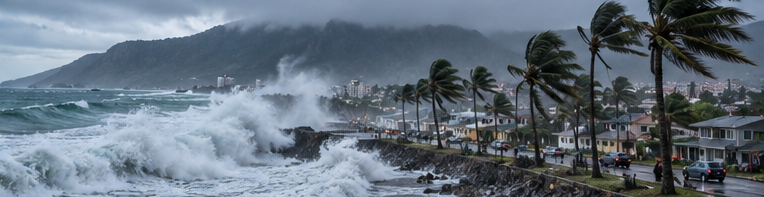
Hurricane Lowell is passing close to Hawaii and bringing the threat of very heavy rain, strong winds, flooding, mudslides, dangerous waves, and possible tornadoes. Officials have closed schools and government offices in some areas and are asking residents to stay indoors as much as possible.
The storm was expected to pass near or just west of Niihau and Kauai. These are the westernmost main islands of Hawaii. A hurricane warning was issued for Kauai County, which includes Kauai and the much smaller island of Niihau. Oahu, where Honolulu is located, was under a tropical storm warning.
The biggest danger may be rain. Weather experts warned that some areas of Kauai could receive as much as 24 inches, or about 60 centimeters, of rain. That amount can quickly turn small streams into dangerous rivers. Water can cover roads, enter homes, and move cars. In steep areas, wet soil can also cause landslides or mudslides.
Strong winds are another concern. Hurricane winds can break trees, damage roofs, and cut electricity. Loose objects outside homes can become dangerous when they are pushed by strong wind. Residents are often advised to bring outdoor furniture and other items inside before a storm arrives.
Why the storm is dangerous
The ocean can also become dangerous far from the center of a hurricane. Large waves and strong currents can hit beaches even when the sky looks calmer. Officials warned about dangerous surf and rip currents. Tourists who are not familiar with local conditions may be at special risk because they may not understand how quickly the sea can change.
Hawaii Governor Josh Green ordered closures to keep people off the roads and allow emergency teams to work more safely. Schools, community colleges, state offices, and some county offices were closed in the areas facing the greatest risk. This kind of decision can be difficult because closures interrupt work and education, but officials say keeping roads clear can save lives during an emergency.
The National Hurricane Center also warned that tornadoes could form near Kauai and Niihau, with a smaller risk on other islands. Tornadoes linked to hurricanes are often short-lived, but they can still cause serious local damage.
Hawaii is used to watching tropical storms, but every hurricane is different. The islands are small compared with large countries, so a shift in the storm's direction can quickly change which communities face the greatest danger. Mountains also affect rainfall. Moist air rises over high land, cools, and can produce very heavy rain on one side of an island.
Staying safe before and after
Residents usually prepare by storing drinking water, food, medicine, batteries, flashlights, and other emergency supplies. People who use medical equipment that needs electricity may need a backup plan. Families should also know where they will go if local officials order an evacuation.
Flooding can remain dangerous even after the strongest winds pass. Water may continue to rise in rivers and low areas. Roads can be damaged or blocked. Mud may cover streets, and power lines can fall. Emergency officials often ask people not to drive through floodwater because it can be deeper or faster than it appears.
The storm can also affect Hawaii's economy. Tourism is a major industry, and airports, hotels, tours, and beaches may change schedules during dangerous weather. Flights can be delayed or canceled. Businesses may close, and deliveries between islands may slow. Farmers can also lose crops if fields are flooded or strong winds damage plants.
Climate researchers are studying how warmer ocean temperatures may affect hurricanes. Warm water gives tropical storms energy. Scientists say climate change can increase the amount of rain in some storms and can make the strongest hurricanes more powerful, although the exact effect on the number of storms is more complex.
For now, the message from emergency officials is simple: follow official warnings and do not take unnecessary risks. A hurricane does not need to hit an island directly to cause major damage. Heavy rain, waves, and wind can spread far from the storm's center.
People should also be careful after the storm. Floodwater can contain sharp objects, chemicals, or dirty water. Damaged electrical systems can be dangerous. Trees and walls may be weak even if they are still standing.
The next updates will show how close Lowell moves to the islands and how quickly it weakens. The storm was expected to remain a hurricane near its closest approach, even as its winds slowly decreased. For residents and visitors, the safest choice is to stay informed, respect local instructions, and wait until officials say roads and beaches are safe again.
Source: AP News — reporting published September 7–8, 2026.
07 BUSINESS