
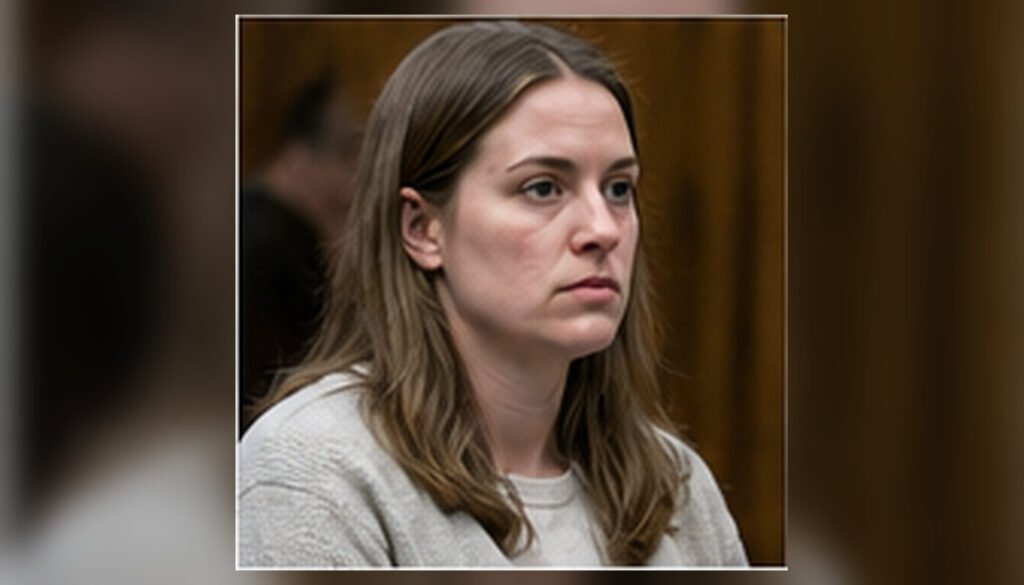
A Massachusetts judge ended the closely watched trial without a verdict after jurors could not agree.
A major court case ends without a verdict
The murder trial of Lindsay Clancy ended in a mistrial on September 4 after a jury in Massachusetts could not reach a unanimous decision. The case has received national attention because it involves the deaths of Clancy's three young children and difficult questions about criminal responsibility, mental health, and postpartum illness. Clancy does not dispute that she killed her children in 2023. The central disagreement in court was about her mental state at the time and whether she could legally be held responsible for murder. Prosecutors argued that the killings were planned and that Clancy understood what she was doing. Her defense argued that she was suffering from postpartum psychosis and was not criminally responsible. After more than five weeks of testimony and seven days of jury discussion, the jurors still could not agree. The judge then declared a mistrial.
What a mistrial means
A mistrial does not mean that a person is found guilty or not guilty. It means that the trial ended without a final legal decision. In this case, the jury was deadlocked, which means the jurors could not all agree on one verdict. In a criminal trial, jurors normally must reach a unanimous decision. If they cannot do that after serious discussion, a judge can decide that continuing is unlikely to help. The case then returns to an earlier legal position. The charges do not disappear simply because there was a mistrial. Prosecutors can decide to hold another trial with a new jury. They may also discuss a possible plea agreement or make other legal decisions. This is why many people searched online for the meaning of the word "mistrial" after the news broke. The word sounds like the case is finished, but often it is not.
Why the case became a national discussion
The trial has been especially emotional because it involves young children and a mother who says she was seriously ill after childbirth. Postpartum psychosis is a rare and severe mental health condition that can include confusion, false beliefs, or a loss of contact with reality. The defense said this condition was central to what happened. Prosecutors, however, argued that Clancy's actions showed planning and awareness. The jury had to consider expert testimony, medical information, messages, and other evidence. People following the case online often had strong opinions, but a criminal court has a different job from social media. Jurors must decide only from evidence presented in court and must follow the judge's legal instructions. The case has also encouraged wider public discussion about how the legal system understands severe mental illness after childbirth and how families can recognize warning signs early.
What may happen next
The next step is not automatic. Prosecutors must decide whether to try the case again. If there is a second trial, a new group of jurors would be selected and much of the evidence could be presented again. The defense would again be able to challenge the prosecution's case and present its own experts and witnesses. A new trial could take time to organize. Another possibility is a negotiated legal agreement, although there is no guarantee that one will happen. Until there is a final resolution, Clancy remains charged. The mistrial also means that the public may continue to hear about the case for months. News organizations will follow the prosecutors' decision, court dates, and any new legal motions. For readers, the most important point is simple: the mistrial is a pause and a reset, not a final answer about guilt.
Why this story is trending now
The story spread quickly because it combines a dramatic courtroom event with a difficult human issue. People want to understand why a jury could listen to weeks of evidence and still not agree. Many are also asking how mental illness is treated in criminal law. On social media, short clips and strong opinions can make a complex trial look simple. In reality, the legal questions are narrow and detailed. A fair discussion should remember that a mistrial is not a verdict and that claims from both sides are still part of an unresolved criminal case. The case may continue to shape conversations about postpartum mental health, criminal responsibility, and the limits of the jury system. It also shows why careful language matters when reporting on a case that is still open. Readers should separate confirmed court facts from personal opinions shared online.
TRENDING STORY 2 OF 10