
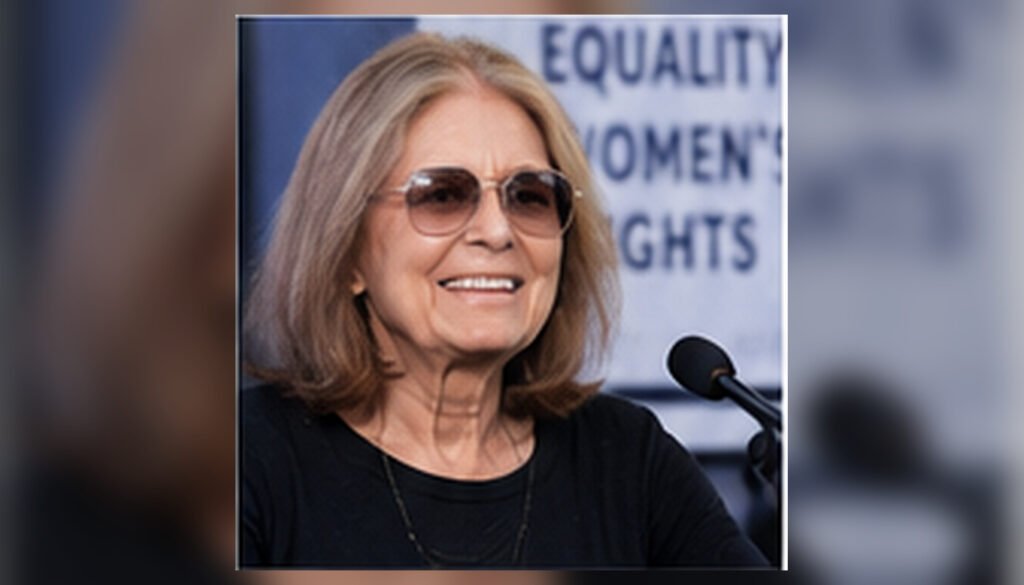
Writers, activists, public figures, and ordinary Americans are looking back at the life of one of the best-known leaders of the U.S. women's movement.
A life that shaped public debate
Gloria Steinem, the American writer and activist who became one of the best-known voices of the women's movement, died at the age of 92. News of her death led to a large wave of tributes across the United States. People shared old interviews, photographs, speeches, and personal stories about how her work affected their lives. Steinem spent many decades writing and speaking about equal rights, work, politics, family life, and the way women were represented in society. She became famous during a period when many women were challenging laws and social rules that limited their choices. For supporters, she was a symbol of courage and change. For critics, she was also a figure connected to some of the most difficult cultural arguments in modern American life. Either way, her influence on public discussion was very large.
From journalism to activism
Steinem first became widely known as a journalist. She wrote about social issues and later became deeply involved in the movement for women's rights. Her public work grew during the 1960s and 1970s, when the United States was going through major social change. Women were demanding fair treatment in the workplace, better access to education, control over personal decisions, and a stronger political voice. Steinem traveled, spoke at events, organized with other activists, and used journalism to explain these issues to a wider audience. She was also closely connected with Ms. magazine, a publication created to give women a stronger voice in national media. The magazine covered politics, family, health, work, culture, and discrimination from a point of view that was not common in many large publications at the time.
Why her work mattered
Steinem's importance was not only about one law or one campaign. She helped make certain questions part of everyday American conversation. Who does unpaid work at home? Why are some jobs open more easily to men than women? How are women shown in advertising and entertainment? Who has power in politics and business? These questions were already being raised by many people, but Steinem was one of the public figures who helped bring them into television interviews, magazines, universities, and political meetings. Her work also connected with larger debates about race, class, violence, reproductive rights, and economic opportunity. Over the years, the women's movement became more diverse, and younger activists sometimes criticized older leaders for not fully representing every group. Steinem herself continued to support many newer movements and causes.
A complicated legacy
Like many major public figures, Steinem leaves a legacy that different people understand in different ways. Supporters see her as a leader who helped millions of women believe they could demand equal treatment and make their own choices. Others disagree with parts of the political movement she represented or argue that feminism developed in ways that did not always include all women equally. These debates are part of why her death is producing so much discussion online. Social media allows people to share both praise and criticism very quickly. Some posts focus on her achievements. Others discuss disagreements within feminism or changes in American culture since the 1970s. A useful way to understand her life is to see her as part of a much larger movement. She was highly visible, but many other organizers, writers, workers, and local leaders also helped create change.
Why Americans are sharing her story now
When a famous person dies, people often return to old moments and ask what that person's life meant. In Steinem's case, those questions connect directly to issues that are still active today. Women continue to debate pay, family responsibilities, political power, safety, health care, and representation. Younger people are also learning about the history behind rights and opportunities that may now feel normal. For English learners, her story is also a useful example of how one person can use writing, public speaking, and organizing to influence national culture over many years. The current wave of tributes does not mean everyone agrees about her ideas. It shows that her name remains connected to a major chapter of American history. Her death has encouraged a new generation to look back at the arguments, victories, limits, and unfinished questions of the women's movement.
TRENDING STORY 3 OF 10