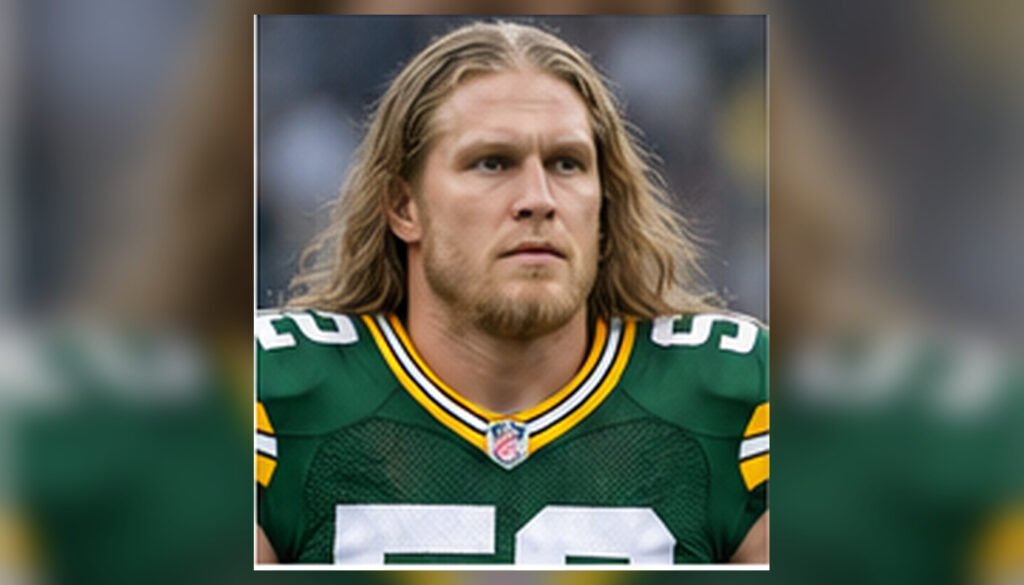
The former NFL star became a major online topic after unusual images spread quickly and raised fresh questions about AI-made media.
A strange photo becomes a huge story
Former Green Bay Packers star Clay Matthews suddenly became one of the most searched sports names in the United States after unusual pictures of him spread across social media. In the images, Matthews appeared to have a very different face and body. Many users quickly started asking whether he had received major cosmetic surgery. Jokes, comments, reaction videos, and comparison pictures appeared across social platforms. The story grew because Matthews is well known to football fans, especially for his long hair, strong build, and years as a defensive star. Soon, however, the main question changed. Instead of asking what had happened to Matthews, many people began asking whether the images themselves were real. Reporting about the viral pictures said they had been created or altered with artificial intelligence. Matthews also reacted publicly to the situation, helping move the story from sports gossip into a wider conversation about AI.
Why people believed the images
AI images have improved very quickly. A fake picture can now include realistic skin, lighting, clothing, and backgrounds. If a user sees it for only a few seconds while scrolling, it can look like a normal photograph. Famous people are especially easy targets because thousands of real photos of them already exist online. An AI system can copy common features and create a new image that feels familiar. The problem is that a picture can be believable without being true. In the Matthews story, the unusual appearance made people curious. Curiosity helped the image spread before many users stopped to check where it came from. Social media rewards fast reactions, and the first joke or strong opinion often travels farther than a later correction. That creates a situation in which false information can become popular even when the truth is available.
From celebrity gossip to an AI warning
At first, the story looked like simple celebrity gossip. People discussed plastic surgery and changes in appearance. But once questions about AI became central, the story became more important. AI tools can be useful for art, design, education, and entertainment. They can also create confusion when generated images are presented without a clear label. A fake image of a football player may seem harmless, but the same technology can be used to create false pictures of politicians, disasters, crimes, protests, or military events. This is why journalists, technology companies, and social media platforms are trying to develop better ways to identify generated media. Watermarks and labels can help, but they are not perfect. Users also need simple habits for checking what they see.
How to check a viral image
There are several easy steps that can reduce the chance of being fooled. First, look for the original source. If a surprising image is only appearing on repost accounts, be careful. Second, check whether trusted news organizations or the person shown in the image have addressed it. Third, compare the viral picture with recent verified photos. Fourth, look closely at small details such as fingers, teeth, text, shadows, jewelry, or background objects, although modern AI can sometimes create these details well. Most importantly, do not treat a viral picture as confirmed information simply because thousands of people have shared it. A large number of shares shows popularity, not truth. Waiting a few minutes before reposting can prevent a false claim from reaching many more people.
Why the Matthews story matters
The Clay Matthews photo story became popular because it was surprising, funny to some users, and connected to a familiar sports figure. But it also offered a clear lesson about the internet in 2026. People are entering a period when seeing is no longer the same as believing. Photos and videos still provide useful evidence, but they must be checked more carefully than before. Celebrities may be the first people to face this problem at a large scale because they are always in the public eye. Ordinary people can face it too. A fake picture can damage a reputation or create a rumor in minutes. The safest response is not to distrust every image. It is to build a habit of verification. The Matthews story is likely to be remembered not only as a strange sports trend, but also as another sign that AI literacy is becoming an important part of everyday media literacy.
TRENDING STORY 4 OF 10