Week 1 games are filling U.S. timelines with highlights, predictions, fan reactions, and early arguments about the 2026 season.
Football season returns
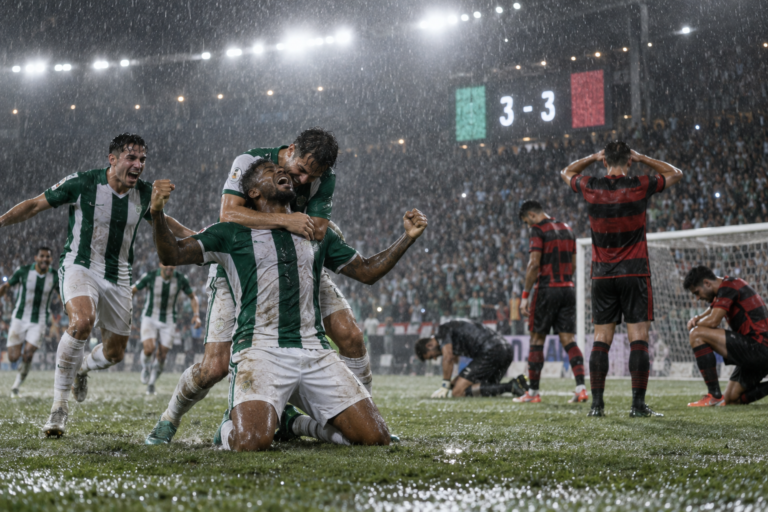
College football is back, and the opening weekend of the 2026 season is producing a huge amount of activity on American social media. Fans have waited for months to see new players, new coaches, new teams, and the first real results of the season. Week 1 stretches across several days around the Labor Day weekend, giving viewers many games to follow. Matchups involving teams such as Miami, Stanford, Oklahoma, UTEP, Michigan State, and others have attracted strong online interest. Before kickoff, fans share predictions, team videos, and jokes. During games, short clips of touchdowns, mistakes, celebrations, and surprising plays can spread within seconds. After the final whistle, the conversation continues with rankings, arguments, and early predictions about which teams may compete for major titles later in the season.
Why college football is so big in the United States
College football is more than a sport for many American communities. Large universities may have stadiums that hold tens of thousands of people. Families often support the same school for generations. Students wear team colors, marching bands perform, and local businesses become busy on game day. Rivalries between universities can be very old and very emotional. Because teams are connected to schools and places, fans often feel that they are supporting a community, not only a group of players. This makes college football especially strong on social media. A fan in another state can still join the game-day experience by posting, watching clips, and talking with other supporters. Hashtags, team accounts, player accounts, and sports creators turn each game into a national online event.
Opening weekend creates many stories at once
The first week is special because almost every team begins with questions. Will a new quarterback play well? Can a highly ranked team meet expectations? Will a smaller program surprise a famous one? Has a coach improved the defense? These questions give fans many reasons to watch. One strong performance can make a player famous overnight. One mistake can also become a viral clip. Social media makes these early moments feel larger because fans react before the season has enough games to show a clear pattern. This can be exciting, but it can also create overreaction. A team that looks weak in Week 1 may improve. A team that wins easily may face much harder opponents later. Still, opening weekend gives fans the first real evidence after months of talk.
The new media side of the sport
College football now lives on phones as much as it does on television. Official team accounts post locker-room videos and short highlights. Players build personal brands on TikTok, Instagram, and other platforms. Sports reporters provide quick updates. Fans create memes and reaction videos. Podcasts and livestreams begin immediately after games. Betting and fantasy content also add to online attention, although fans should remember that betting involves financial risk and is not part of the game itself. The result is a nonstop conversation. A play that lasts five seconds can create hours of discussion. A coach's short comment can become a national topic. This digital environment helps college football reach younger viewers and people who may not watch every full game.
What to watch as the season develops
Week 1 will not decide the whole season, but it can give important clues. Strong teams want to avoid early losses because rankings and playoff hopes can change quickly. New players want to show that they can handle pressure. Coaches want to see whether months of practice have improved their teams. Fans, meanwhile, are already comparing conferences, ranking quarterbacks, and discussing possible championship matchups. The strongest online stories will change every few hours as more games are played. That is why college football can dominate U.S. trends during opening weekend. There is always another kickoff, another surprise, and another argument. For English learners, sports coverage is also useful because it uses repeated vocabulary such as score, lead, defense, offense, coach, season, ranking, and playoff. Even people who do not support a team can understand why the return of college football becomes a major American social event every fall.
TRENDING STORY 5 OF 10