
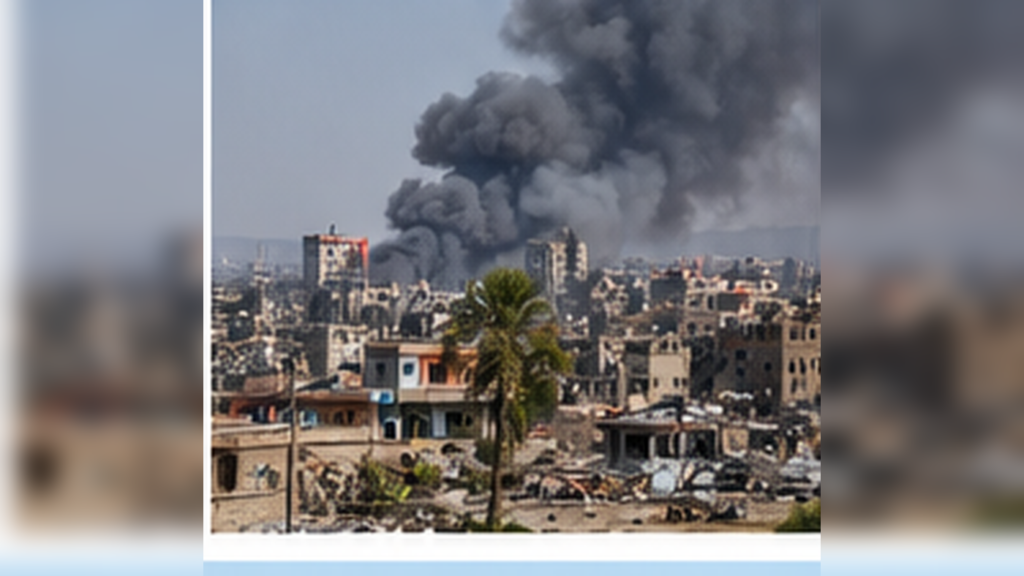
Illustrative image generated for this article.
Heavy fighting in western Yemen has killed more than 60 people, including civilians, in some of the country's deadliest clashes in years. The fighting is between forces linked to Yemen's internationally recognized, Saudi-backed government and the Iran-aligned Houthi movement. The Guardian reported that 26 government troops and 31 Houthi fighters were killed in several hours of fighting on Saturday. A missile strike in Taiz also killed six civilians and injured seven people who were traveling by bus.
The latest clashes are part of a wider Houthi offensive in western Taiz and southern Hodeidah along the Red Sea coast. The fighting has become more serious after a period when the conflict was less active. The 2022 ceasefire had reduced many front-line battles for years, even though Yemen did not reach a full peace agreement. That ceasefire collapsed in July 2026, and military activity has increased again. The new violence has raised fears that Yemen could return to a much larger phase of war.
The location of the fighting makes the story important far beyond Yemen. The Houthi forces are trying to gain control of strategic hills near the Bab al-Mandeb strait. This narrow sea route connects the Red Sea with the Gulf of Aden and is used by ships traveling toward the Suez Canal. Around 10 percent of global maritime trade passes through the strait, according to the Guardian. If fighting threatens shipping, companies may face higher insurance costs, delays, or new route changes.
Yemen's war began in its current form in 2014 when the Houthis took control of the capital, Sana'a, and pushed the government out. A Saudi-led military coalition later entered the war to support the government. Iran has supported the Houthis, while Saudi Arabia and other countries have backed different anti-Houthi forces. Over the years, the conflict has become connected to wider regional rivalries. This has made peace talks difficult because events outside Yemen can quickly affect decisions inside the country.
Civilians have paid the highest price. The Guardian reported that at least 150,000 people have been killed directly in fighting since the war began, while many more have died from hunger, disease, and the collapse of basic services. About 4.5 million people have been displaced from their homes, and more than 18 million need humanitarian help. When fighting increases, aid groups can find it harder to move food, medicine, and fuel to people who need them.
Taiz is especially important because it has been divided and fought over for many years. Roads have been blocked, and families have often faced long, difficult journeys between different parts of the region. New battles can close roads again and make daily life dangerous. Hodeidah is also important because its ports are a major entry point for food and other supplies. Any serious fighting near the Red Sea coast could therefore create both military and humanitarian problems.
The coming days will show whether the clashes remain limited or grow into a wider campaign. Reinforcements have been moving toward the area, and both sides are trying to control key positions. Yemen's people have already lived through more than a decade of war, economic crisis, and displacement. A new large conflict would put even more pressure on families and on the country's weak public services. It could also affect international shipping at a time when another key route, the Strait of Hormuz, is already facing serious tension. That is why the renewed fighting in Yemen is being watched closely across the region and around the world. Diplomats and aid agencies will also be watching whether roads, ports, or humanitarian routes are affected, because even small changes can quickly make life harder for civilians.
10 SPORTS