
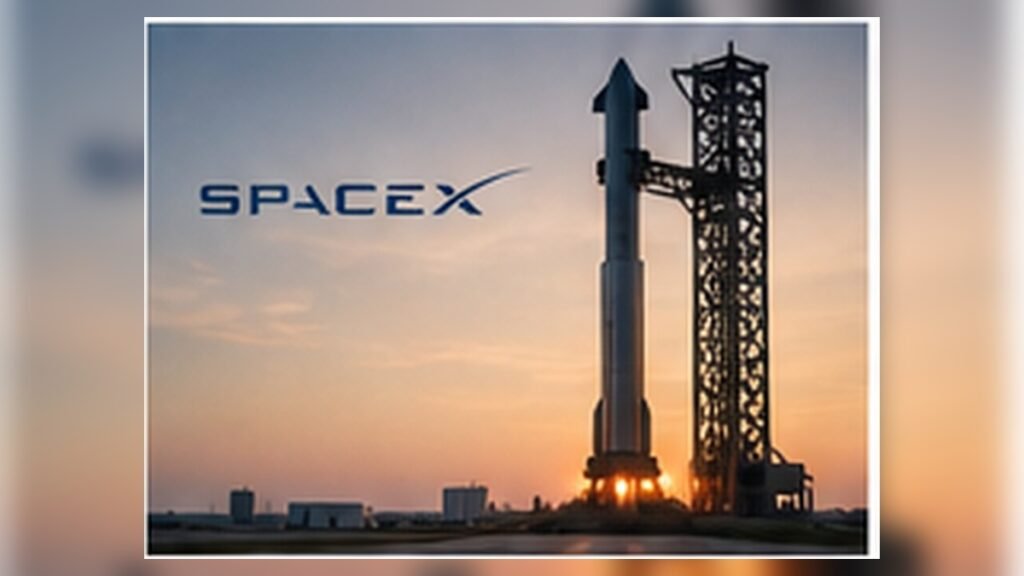
SpaceX is preparing for Starship Flight 14, the next major test of its huge rocket system. The mission is receiving strong attention because public filings point toward an important new step: an orbital flight profile. However, as of September 4, 2026, the exact launch date is still not final, and regulatory work remains important before the test can happen.
Starship is the largest rocket system SpaceX has developed. It has two main parts: the Super Heavy booster and the Starship spacecraft. The system is designed to be reusable. SpaceX wants both parts to return after flight so they can be used again. If this works reliably, the company believes it can lower the cost of sending large amounts of cargo and people into space.
Previous Starship test flights followed suborbital paths. This means the spacecraft went very high and very fast but did not complete a full orbit around Earth. Flight 14 appears to be planned differently. Recent Federal Communications Commission filings described communications for an orbital phase and a later reentry. That would make the mission a major technical step for the program.
The filings also point to possible work connected with Starlink V3 satellites. Starlink is SpaceX’s internet satellite network. Larger Starlink satellites need a very powerful rocket, and Starship is designed to carry much more cargo than Falcon 9. A successful orbital Starship mission could therefore be important not only for future Moon and Mars plans but also for SpaceX’s current satellite business.
Still, an FCC communications filing does not by itself give permission for a launch. The Federal Aviation Administration, or FAA, is responsible for launch and reentry licensing in the United States. Orbital missions can create different safety questions because a spacecraft travels around Earth and must later return in a controlled way. Regulators need to understand the planned path and what could happen if a system fails.
This is why people should be careful with launch dates shared online. SpaceX often gives “no earlier than” target dates, but these can move because of technical checks, weather, or government approval. A date may show what the company is working toward without being a final promise.
Space fans are excited because each Starship test has produced new engineering lessons. Earlier flights have included both failures and major successes. SpaceX develops rockets by testing them in real flight, studying what went wrong, and changing the design. This can look dramatic because some test vehicles are lost, but the company sees each mission as part of a longer development process.
Flight 14 is also important because Starship has a central role in NASA’s future Moon plans. A version of Starship is being developed as a lunar lander for the Artemis program. SpaceX also wants to use the system for deep-space missions in the future. Before those goals can become normal operations, Starship must show that it can reach orbit safely, operate there, return, and eventually fly many times.
On social media, the program has a large community of followers who watch every engine test, launch preparation, and government filing. Photos and videos from the Starbase site in Texas often create discussion long before a launch happens.
The main message is that Flight 14 looks like an important next test, but it has not happened yet. The mission will be watched closely because it may show whether Starship is ready to move from repeated suborbital tests toward more complete orbital operations.