The president's description of the continuing conflict has drawn strong reactions as Americans debate its cost, risks, and meaning.
A few words create a large reaction
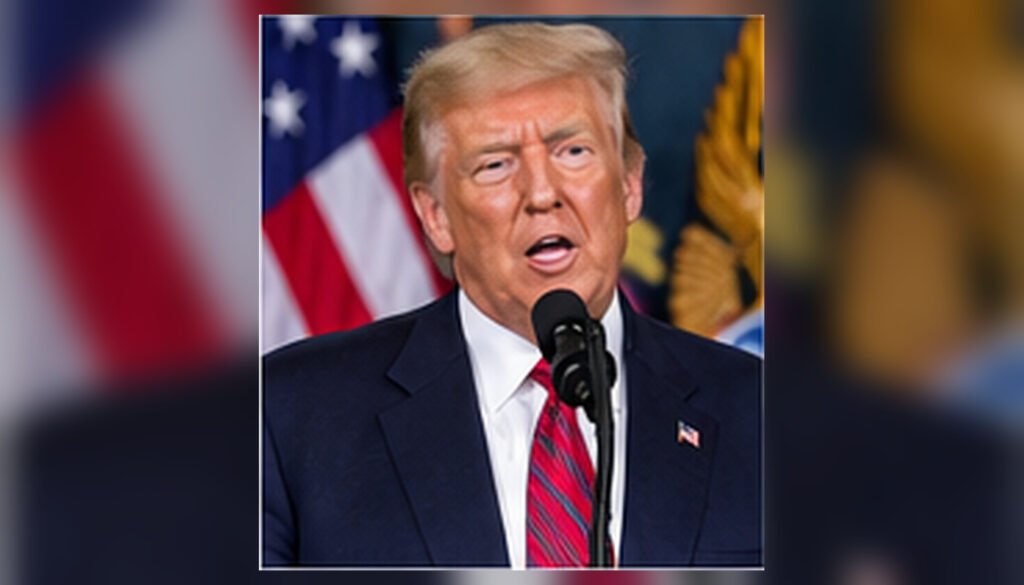
President Donald Trump has created a new political debate after describing the U.S. conflict with Iran as "small potatoes." He also referred to it as a "military conflict" rather than a full war. The comments came as the administration defended its description of the fighting. The words quickly spread across news sites and social media because the conflict has already caused deaths, military action, high costs, and wider tension in the Middle East. According to Associated Press reporting, 18 U.S. military members have died in the conflict and the cost has passed tens of billions of dollars. For critics, those facts make the phrase "small potatoes" sound too casual. Supporters of Trump argue that he was comparing the conflict with much larger wars and was trying to show that the United States has limited its losses and achieved important military goals.
Why the word 'war' matters
The debate is not only about one phrase. It is also about what Americans call the conflict. Words such as war, operation, campaign, and military conflict can shape how the public understands an event. A war suggests a large and continuing national commitment. A limited military operation can sound smaller and more controlled. Governments often choose their language carefully for legal, political, and public reasons. Critics say that when U.S. forces repeatedly attack another country and receive attacks in return, ordinary people naturally see that as war. Administration officials have argued that the current situation is more limited. The disagreement shows how language can become part of politics. People are not only debating what is happening on the ground. They are also debating the name that should be used for it.
The conflict remains serious
The U.S.-Iran confrontation has included military strikes, Iranian responses, pressure on shipping, sanctions, and concerns about nuclear sites. Recent reporting has also focused on civilian casualties in Iran and on the risk of new attacks in the region. Trump has said the United States may take further military action against Iranian nuclear infrastructure. At the same time, the U.S. and its allies are increasing diplomatic and economic pressure on Iran. This mix of military force and economic pressure creates uncertainty. A new strike could increase the conflict, while successful talks could reduce it. Oil markets, shipping routes, U.S. bases, and allied countries in the region can all be affected. That is why even a short presidential comment can move markets and dominate political discussion.
Americans are divided
Public opinion is an important part of the story, especially before the U.S. midterm elections. A Reuters/Ipsos poll published on September 4 found that only about one quarter of Americans thought the Iran war was worthwhile. Polls can change, and one poll does not represent every opinion, but the result shows a high level of public concern. Some Americans believe strong military action is necessary to stop threats from Iran and protect U.S. interests and allies. Others worry about a long conflict, civilian deaths, higher oil prices, and the risk that more American service members could be killed. These different views are now appearing in campaign messages, television interviews, and social-media arguments. The phrase "small potatoes" became a simple line that both supporters and critics could use to make a larger point.
What readers should watch next
The most important question is not the phrase itself but whether the conflict grows or becomes smaller. Readers should watch for confirmed military developments, U.S. casualty reports, Iranian responses, diplomatic talks, sanctions, oil prices, and decisions by Congress. Political language will continue to be part of the story, but events on the ground matter more. It is also important to separate official claims from independently confirmed facts. In an active conflict, information can be incomplete, delayed, or disputed. Social media can spread dramatic videos or claims before they are verified. A careful reader should use several reliable sources and remember that both governments have strong reasons to shape public opinion. The current debate shows how a few words from a president can become a national trend when they touch a much larger question: how much risk and cost should the United States accept in a foreign conflict?
TRENDING STORY 8 OF 10