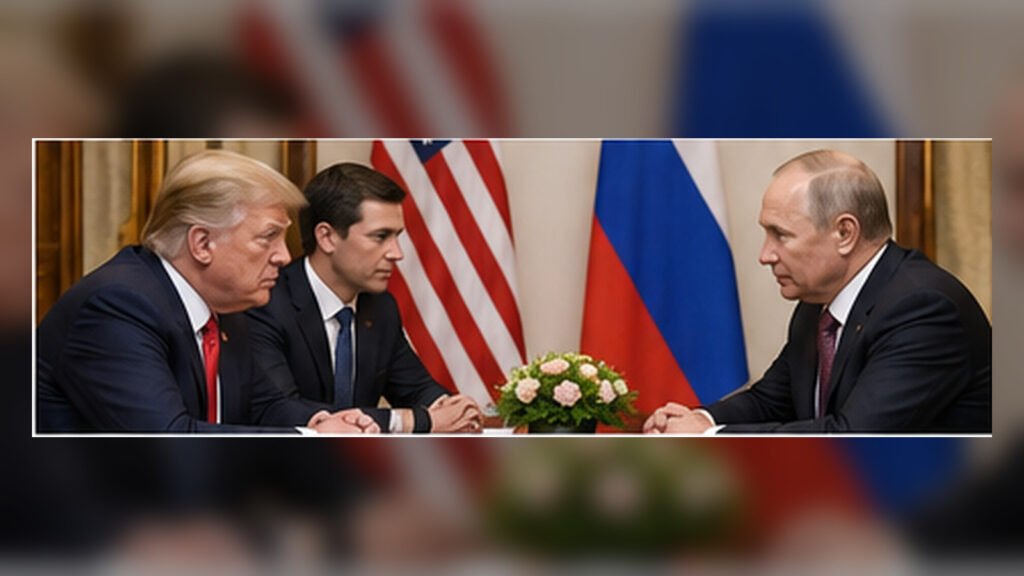
Steve Witkoff and Jared Kushner held more than three hours of talks with Vladimir Putin, but major differences remain.
At a glance: Steve Witkoff and Jared Kushner held more than three hours of talks with Vladimir Putin, but major differences remain.
Three hours of talks in Moscow
Russian President Vladimir Putin met U.S. envoys Steve Witkoff and Jared Kushner in Moscow on Saturday as the Trump administration continued efforts to find a possible path toward ending the war in Ukraine. The meeting lasted more than three hours. A Kremlin aide described the discussion as useful, but there was no clear sign of a breakthrough.
According to Russian officials, the American visitors presented ideas for a possible settlement. The Kremlin did not publicly explain those ideas in detail. A White House official described the talks as substantive and said more information about the next steps could come in the coming weeks.
Witkoff and Kushner were expected to continue to Kyiv to meet Ukrainian President Volodymyr Zelenskiy. That is important because any peace plan would need to address the positions of both Russia and Ukraine. A proposal that satisfies only one side is unlikely to end the fighting.
The biggest disagreements remain
The main problem is that Russia and Ukraine are still far apart on the most important issues. Russia has demanded that Ukraine give up territory in four regions claimed by Moscow and abandon its goal of joining NATO. Ukraine rejects those demands and says giving up land taken by force would reward aggression.
Putin told the U.S. envoys that Russia believes it is making progress on the battlefield. Russian officials have also repeated that they want what they call the root causes of the conflict to be addressed. Ukraine says it must receive strong security guarantees and must not be forced into an agreement that leaves it open to another attack in the future.
These positions are difficult to bring together. Even if both sides want fewer deaths and less destruction, they disagree about borders, security, political control, and responsibility for the war. This is why many previous diplomatic efforts have failed to produce a lasting agreement.
Fighting continues while diplomacy moves
The talks took place during a period of heavy long-range attacks. Russia has used missiles and drones against Ukrainian cities and infrastructure. Ukraine has also attacked targets inside Russia, including oil facilities, as it tries to increase the economic cost of the war.
Before the U.S. envoys' visit, Putin ordered a three-day pause in Russian strikes on Kyiv, according to the Kremlin. Zelenskiy said Ukraine was prepared to avoid attacks on Moscow through Monday. These temporary steps may make diplomatic travel safer, but they are not the same as a full ceasefire.
A real ceasefire would require clear rules, monitoring, and agreement about what happens if one side says the other has broken the deal. It would also need to cover the long front line and the use of drones and missiles. That is far more complicated than simply announcing a short pause.
Why Americans are watching
The war has been a major U.S. foreign policy issue since Russia's full-scale invasion in 2022. The United States has provided large amounts of military and financial support to Ukraine, while also trying to prevent the conflict from expanding into a direct war between Russia and NATO.
President Donald Trump has repeatedly said he wants to end the war. Supporters of a new peace effort argue that years of fighting have brought enormous human and economic costs and that diplomacy deserves a serious chance. Critics worry that a rushed deal could pressure Ukraine to accept major losses without strong protection for the future.
For now, the Moscow meeting should be seen as another diplomatic step, not as a peace agreement. The language from both Washington and Moscow was positive, but the central disagreements remain. The next discussions in Kyiv, and any response from Ukraine, will help show whether the latest U.S. effort can move beyond general ideas toward a plan that both sides could realistically consider.
Editorial verification sources: Reuters, September 5, 2026.
05 BUSINESS