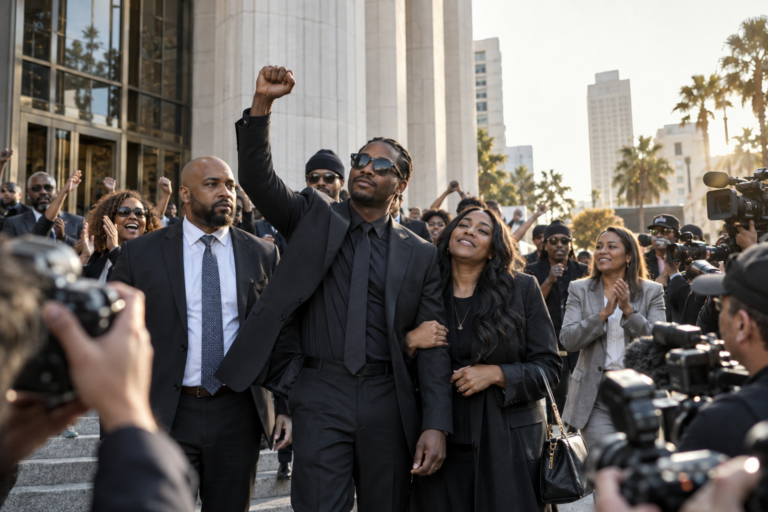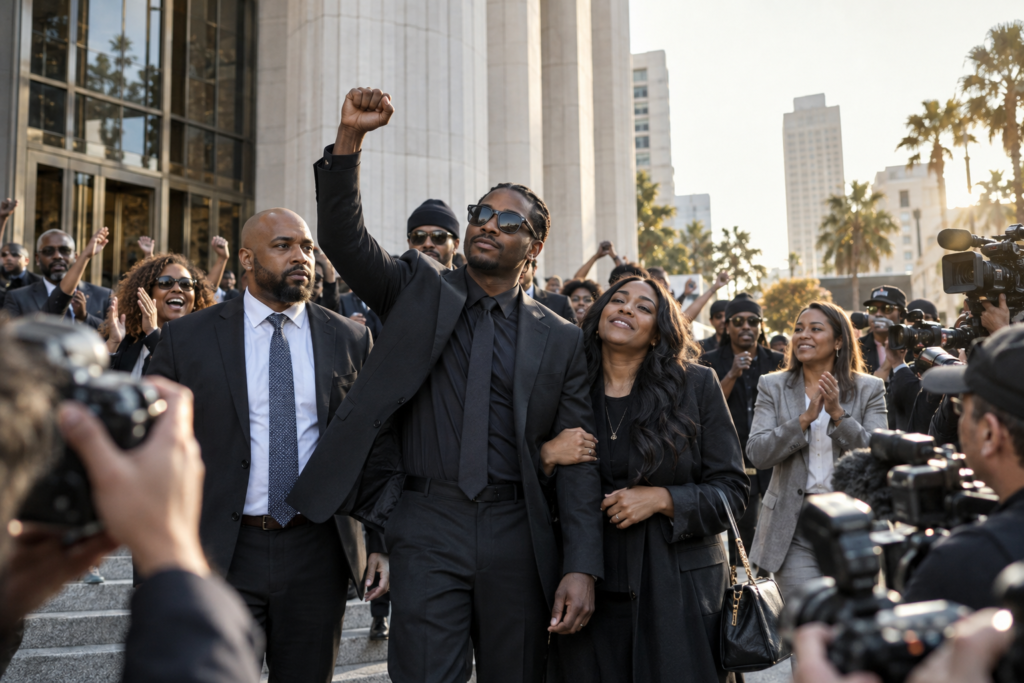
The latest group includes Emory Jones, a longtime associate of Jay-Z, and adds to a large number of clemency actions in Trump's second term.
At a glance: The latest group includes Emory Jones, a longtime associate of Jay-Z, and adds to a large number of clemency actions in Trump's second term.
What the White House announced
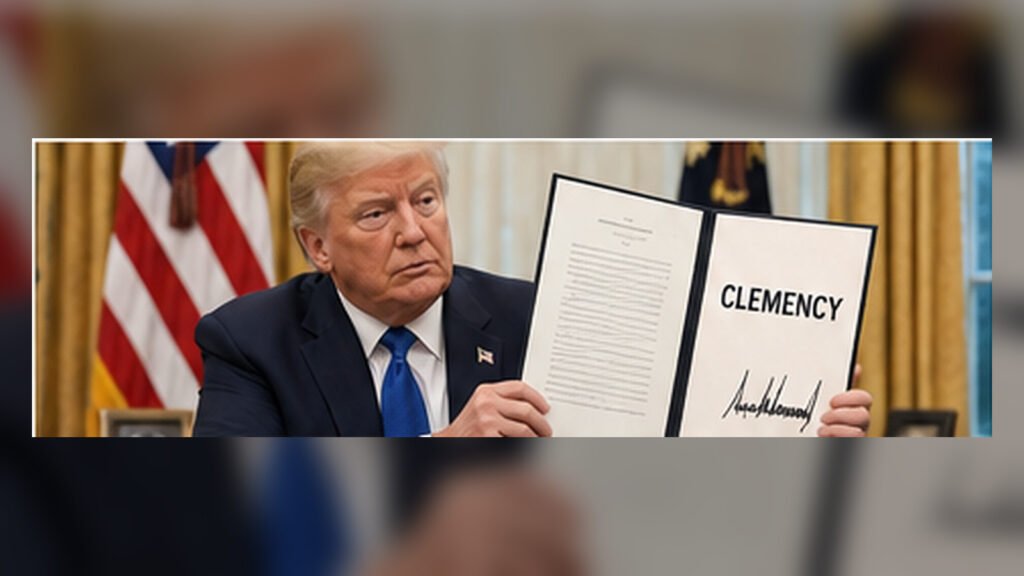
President Donald Trump granted clemency to 30 people this week, according to Alice Marie Johnson, the White House official who leads the administration's clemency work. The action drew attention because it included people with very different backgrounds and because presidential pardons and sentence reductions often create political debate.
One of the best-known names in the group is Emory Jones, a longtime associate of music businessman Jay-Z. Jones spent nearly 16 years in federal prison on drug charges. He was released in 2010 after efforts to reduce his sentence. After leaving prison, he worked as an executive at Roc Nation and helped start the Paper Planes clothing brand.
Other reported recipients included a former Philadelphia union leader convicted in a bribery case and a former Navy sailor who had been imprisoned for firearms offenses. The full group brought renewed attention to the president's broad constitutional power to forgive federal crimes or reduce federal sentences.
What clemency means
The word clemency is a general term for presidential actions that reduce or remove federal criminal penalties. A pardon usually forgives a federal conviction. It does not mean the original event never happened, but it can remove many legal consequences connected to the conviction. A commutation, by contrast, reduces a sentence without fully pardoning the conviction.
The U.S. Constitution gives the president wide power to grant pardons and reprieves for federal offenses, except in impeachment cases. Presidents from both major political parties have used this power. Some have focused on people who received very long sentences, while others have used clemency in high-profile political or national cases.
Because the power is so broad, presidents do not need Congress to approve individual clemency decisions. That makes the process fast, but it also creates debate about fairness and political influence.
Why the decisions are debated
Supporters of clemency say the justice system can make mistakes or impose sentences that are too severe. They argue that people can change after years in prison and deserve a second chance. Many criminal justice groups have pushed presidents to review old sentences, especially in drug cases where punishments were sometimes much longer than they would be under newer laws.
Critics focus on a different concern. They worry that famous people, political allies, wealthy individuals, or people with strong connections may receive special treatment. When a recipient has links to a celebrity, business leader, or political figure, questions about access can become part of the story even when there is a legal reason for clemency.
The latest group shows why the issue can be emotional. Some people see a story of rehabilitation and mercy. Others see a system in which a president has enormous personal power over criminal punishment. Both views are part of the public debate.
A large number of actions
Reuters reported that Trump has issued pardons or commutations for more than 1,700 people since his second term began in January 2025. That large number makes clemency an important part of his administration's justice policy.
The numbers alone do not explain every case. Each person has a different conviction, sentence, history, and reason for requesting relief. For readers trying to understand any clemency announcement, it is useful to ask several questions: What was the original crime? How long was the sentence? How much time did the person serve? What evidence of rehabilitation exists? Did prosecutors or victims support or oppose the request?
The latest 30 cases will likely continue to be discussed as more information becomes available about the people involved. The story is also a reminder that presidential power does not only affect major foreign-policy decisions or national laws. It can directly change the legal future of individual people.
For now, the clemency announcement is receiving strong attention because it combines criminal justice, presidential authority, celebrity connections, and questions about fairness. Those themes often create intense discussion on television and social media, especially in an election year.
Editorial verification sources: Reuters, September 5, 2026.
07 POLITICS