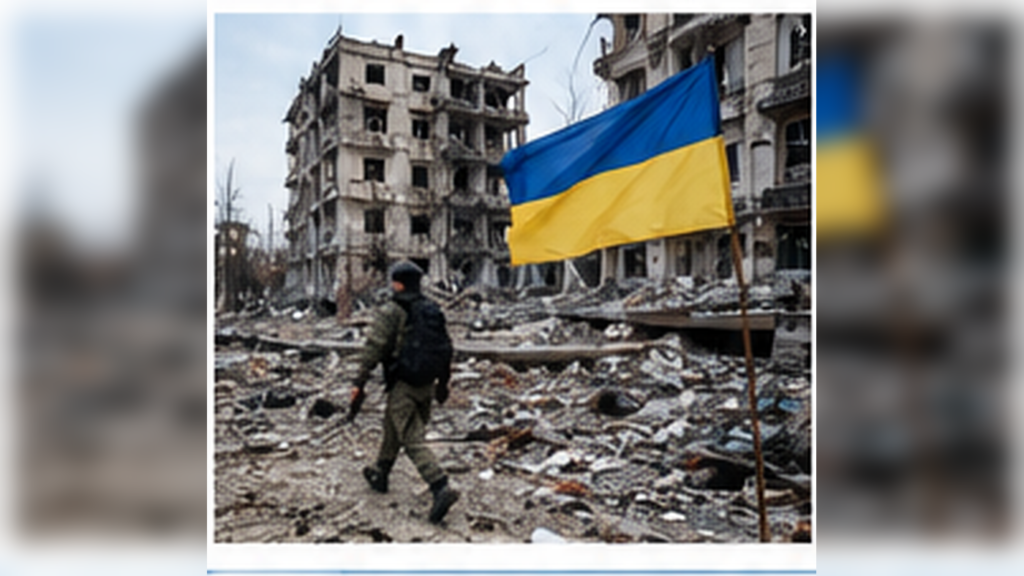
Illustrative image generated for this article.
Two senior U.S. envoys, Steve Witkoff and Jared Kushner, left Kyiv after talks with Ukrainian President Volodymyr Zelenskyy without reaching a breakthrough to end the war with Russia. The visit was their first official trip to Ukraine in this diplomatic effort. It came after talks in Moscow with Russian President Vladimir Putin. Both meetings were described in positive language by officials, but no clear peace agreement was announced. The situation shows how difficult it remains to move from discussion to a deal that both Ukraine and Russia can accept.
Zelenskyy said the Kyiv talks included Ukraine's need for stronger air defense. He asked for large amounts of support before winter, including Patriot air-defense systems and help to protect the country's energy network. Winter is a serious concern in Ukraine because attacks on electricity and heating systems can make life much harder for civilians. If power plants or other important systems are damaged during cold weather, millions of people can face long periods without heat, light, or water.
The United States has tried to play a central role in talks between the two sides. Witkoff said both sides would need to make compromises. That idea sounds simple, but the main disagreements are very large. Russia controls parts of Ukrainian territory and wants political and security changes that Kyiv has rejected. Ukraine says it cannot reward Russia for taking land by force and wants strong guarantees that another attack will not happen later. These questions involve territory, military forces, international security, sanctions, and the future relationship between Russia and the West.
The diplomatic trip also came while fighting continued. This is one of the biggest problems in peace talks. Leaders may meet in one city while soldiers, drones, and missiles continue to operate in another area. Each new attack can make public anger stronger and reduce trust. If civilians are killed, political leaders may face even more pressure not to make concessions. At the same time, both sides may try to improve their military position before serious negotiations, hoping that battlefield gains will give them more power at the table.
For Ukraine, foreign support remains very important. The country depends on partners for air-defense systems, ammunition, training, financial support, and help repairing damaged infrastructure. Zelenskyy wants allies to continue that support even while peace talks are discussed. Ukrainian leaders worry that pressure for a fast agreement could leave the country less secure in the future. Russia, on the other hand, has demanded changes to Western military support and wants recognition of some of its gains.
There are also political pressures in the United States and Europe. Some voters want governments to spend less money on the war, while others believe Ukraine must continue to receive strong support. European countries are especially worried because the war is happening on their continent. A weak or unclear peace deal could create future security problems. A long war, however, also brings high human and economic costs. This is why leaders talk about finding a balance between ending the fighting and creating a settlement that can last.
The envoys' visit did not produce the major result that many people hoped for, but diplomacy has not ended. Officials said more discussions are expected. Future progress will depend on whether the United States can find ideas that both Kyiv and Moscow see as serious enough to continue talking. For now, Ukraine is preparing for another winter while also watching diplomatic efforts closely. The war has lasted for years, and there is no simple solution. The latest visit shows that communication is continuing, but the distance between the two sides remains very large.
06 WORLD