
OpenAI announced GPT-6 Astra on September 3, 2026, describing it as its most capable model broadly released so far. The launch quickly became a major technology story because artificial intelligence is now used by students, workers, programmers, businesses, researchers, and many ordinary people. Each new generation of AI can change what these tools are able to do and how safely they can do it.
Astra is designed to handle many kinds of tasks. Like other modern AI systems, it can work with text and other forms of information, answer questions, help people write, explain ideas, and support complex work. OpenAI says the model is a major step forward in capability. However, the company’s announcement focused strongly on safety as well as performance.
One reason is cybersecurity. OpenAI said GPT-6 Astra reached a “Critical” level for cybersecurity capability under the company’s Preparedness Framework. In simple language, this means the model may be able to find serious weaknesses in computer systems and help develop ways to use those weaknesses. These abilities can be useful for defenders who want to protect systems, but they can also be dangerous if they are misused.
Because of this, OpenAI says it added stronger protections around Astra. These include tighter controls on how the model can take actions, stronger security around internal systems, and more monitoring of risky behavior. The company also says it uses safety tests before allowing certain models to be used inside its own systems.
For ordinary users, the important question is what a stronger model changes in daily life. More capable AI can help people understand difficult information, organize work, create drafts, analyze data, and solve problems faster. A student may use it to understand a lesson. A small business may use it to prepare marketing ideas. A programmer may use it to find a bug. A researcher may use it to organize a large amount of information.
At the same time, stronger AI creates new responsibilities. Users still need to check important facts because an AI system can make mistakes. People should also be careful with private information. If a task involves health, law, money, or safety, AI should support good judgment, not replace a qualified professional or trusted source.
The launch also increases competition in the AI industry. Companies around the world are building models that can reason, write, code, create media, and use tools. When one company releases a more powerful system, competitors often answer with new products of their own. This competition can bring faster progress, but it also increases pressure to develop clear safety rules.
Another important topic is jobs. AI can make some tasks faster, but it can also change the skills that workers need. In many jobs, people may spend less time on repetitive work and more time checking, deciding, communicating, and using AI tools well. Learning how to give clear instructions to AI and how to review its output is becoming a useful workplace skill.
The public discussion around GPT-6 Astra is therefore about more than one new product. It is about the direction of artificial intelligence. People want systems that are helpful and powerful, but they also want them to be safe, reliable, and under human control.
OpenAI’s release of Astra shows how quickly the field is moving. The model may open new possibilities, especially in complex technical work, but its long-term effect will depend on how people use it, how companies manage risks, and how governments and society respond to rapidly improving AI.

Shohei Ohtani Misses Fourth Straight Dodgers Game but Could Return Monday

Heavy Fighting in Yemen’s West Kills More Than 60 and Raises Fears of Wider Escalation
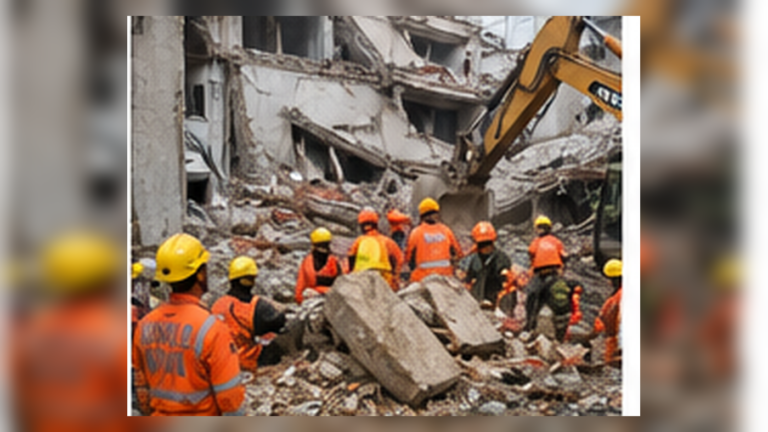
New Delhi Building Collapse Kills at Least One and Leaves Dozens Trapped